
“AI can be a helpful tool, but it should support learning—not replace it.”
That’s the guiding mindset at Schuylerville Central School District, where teachers and students alike are exploring the role artificial intelligence can play in the classroom. Over the past six months, educators have been experimenting with AI in lessons and activities, culminating in a Superintendent’s Conference Day dedicated to learning about the powerful ways these tools can support everyday teaching. One of the tools is MagicSchool, an Ed Law 2-D compliant AI platform designed with safety measures in place that suggests age-appropriate prompts and resources to support student learning.
Elementary School
Pete Carner’s 4th grade classroom utilizes thinking classroom strategies on a daily basis. This approach gives students opportunities to work in small groups on collaborative tasks, using vertical, moveable, whiteboards. Students actively engage in problem-solving and discussion, creating a more student-centered learning environment. Within this structure, Carner’s 4th graders use Gemini, an AI chatbot developed by Google. In one classroom activity, students used Gemini to create a variety of mini-projects based on the short story “Fireflies.” Working in small groups, students took on different creative roles, including designing Kahoot quizzes, writing poetry inspired by the story, developing a test for the class, scripting short plays, and producing character interviews.
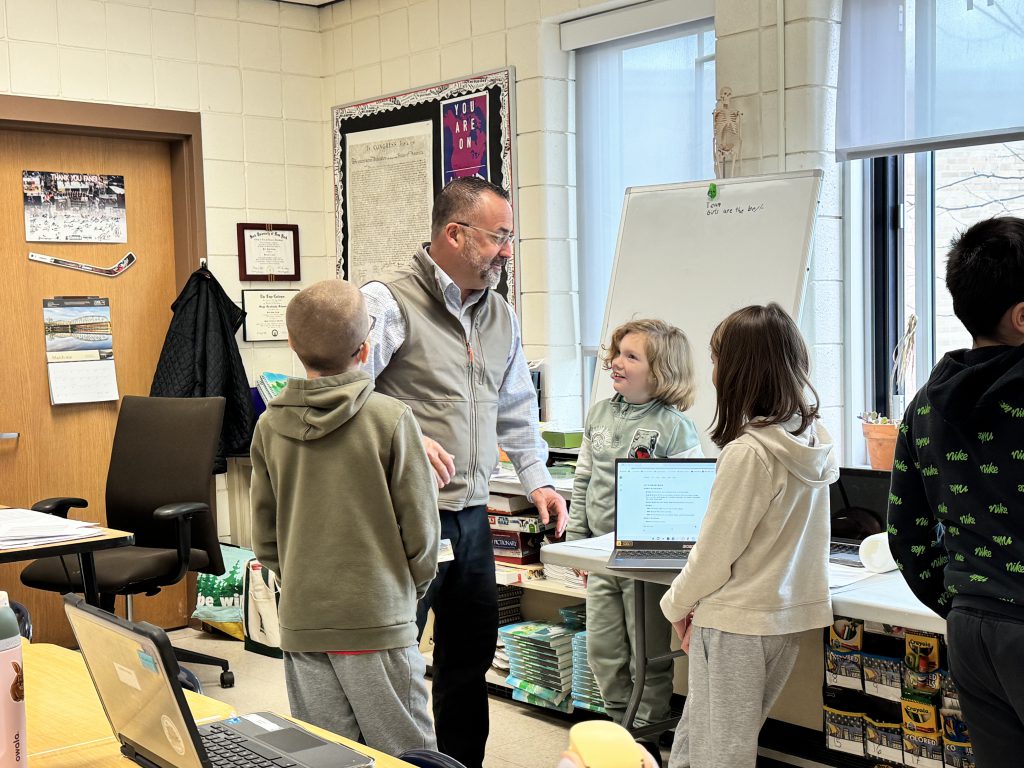
“AI was used as a support tool to help generate ideas, outline content, and guide the creative process,” said Carner. “But ultimately, students remained responsible for refining, verifying, and presenting their final work.”
During the activity, one group discovered an error in a Kahoot question generated with help from Gemini, prompting a real-time discussion about accuracy and critical thinking.
“It was a great learning moment,” Carner said. “Students saw firsthand that AI isn’t always accurate, and that they need to review and check their work. At the elementary level, it’s about giving students early exposure to AI so they can learn how to use it responsibly as they progress through school.”
Middle School
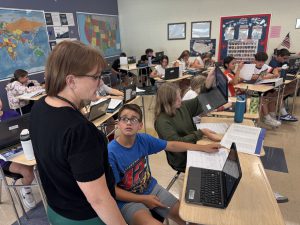
At the middle school level, teachers are experimenting with a variety of AI tools to enhance instruction. Seventh grade social studies teacher Rebecca Nesbitt has explored MagicSchool’s multiple translation tool to help students better understand new vocabulary. In English Language Arts classes, Kerri Brennan’s students used an AI idea generator to brainstorm and expand ideas for narrative writing assignments, while other AI tools are being incorporated throughout the unit to support writing feedback, sentence starters, literary devices, and proofreading. In addition, technology teacher Mark Belden is helping students build foundational skills through a digital literacy course, ensuring they understand how to responsibly and effectively interact with emerging technologies.
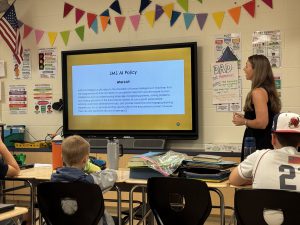
Three Schuylerville Middle School students—Timothy Larson, Natalie Maisano, and Sandra Price—also shared their experiences using the AI platform MagicSchool. The students described the tool as helpful for brainstorming ideas, improving their writing, and gaining a better understanding of lesson topics.
Rather than viewing AI as something that simply provides answers, the students emphasized how it can serve as a starting point that helps them think through problems and strengthen their own work.
“If you don’t understand a lesson, you can use AI to help you,” said Natalie Maisano, highlighting the tool’s role as a learning aid rather than a shortcut. “It’s there to help you improve on what you’re doing, but not give you the answers.”
“Just like we teach good behavior in the classroom, it’s important to treat AI with respect,” said Schuylerville Middle School Principal, Katie Elsworth. “We are teaching students how to use MagicSchool responsibly and to appreciate the assistance it provides.”
High School
At the high school level, English teacher Anna Flores is incorporating AI into writing instruction in several creative ways. Each fall, students are asked to write a narrative that features a monster encounter. Flores encourages those who struggle with creative writing to use an AI chatbot that asks guiding questions to help them develop ideas while still maintaining their own creative direction. She also uses AI-generated paragraphs with intentional grammar and editing mistakes to help students practice revising and identifying errors. In argumentative writing units, students use AI to generate potential counterclaims, allowing them to better understand opposing viewpoints and strengthen their own arguments.
In science classes, Tom Robinson has been experimenting with ways AI can support students as they develop ideas for projects and assignments. He encourages students to use AI as a starting point to help generate ideas or explore different approaches to a topic. In his anatomy class, Robinson has experimented with creating a study bot designed to guide students toward answers to unit essay questions without simply giving them the answer. As students build background knowledge in the unit, he plans to expand its use.
“These teachers represent just a few of the many educators in the district who are exploring how artificial intelligence can support instruction and student engagement,” said Director of Curriculum and Instruction Amy Steele-Whitney. “When used thoughtfully, AI can act as a catalyst for learning, but it should never replace the thinking and creativity that students bring to the process themselves.”
Professional Development Day
During the March 13 Superintendent’s Conference Day, K-12 teachers participated in breakout sessions focused on how they can use artificial intelligence and digital tools in meaningful ways. The day was planned and coordinated by Schuylerville Director of Curriculum and Instruction Amy Steele-Whitney, in alignment with the district’s goal for the 2025-26 school year.
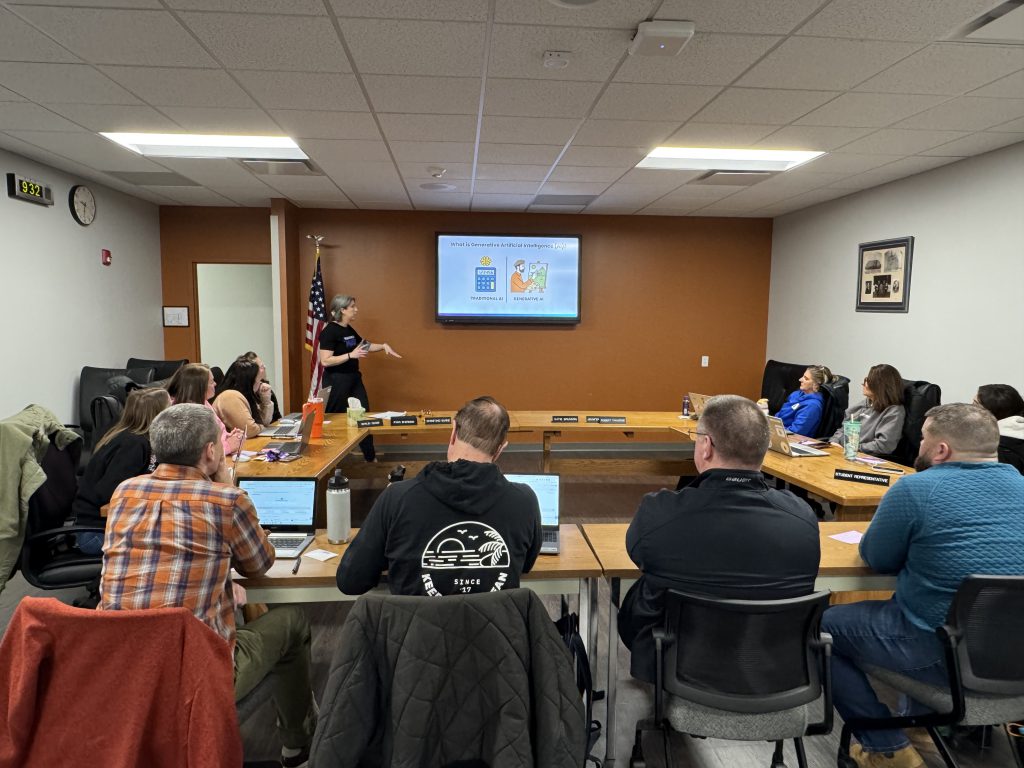
“MagicSchool AI: Tools for the Elementary Educator,” led by Shenendehowa EdTech Coach Amanda Larkin introduced teachers to practical ways AI can support everyday teaching tasks for the school’s youngest learners. Larkin also presented “Launching MagicStudent AI: A Guide for Student Implementation,” which focused on how grades 4–12 teachers can bring student-facing AI tools into the classroom to create more interactive and personalized learning experiences.
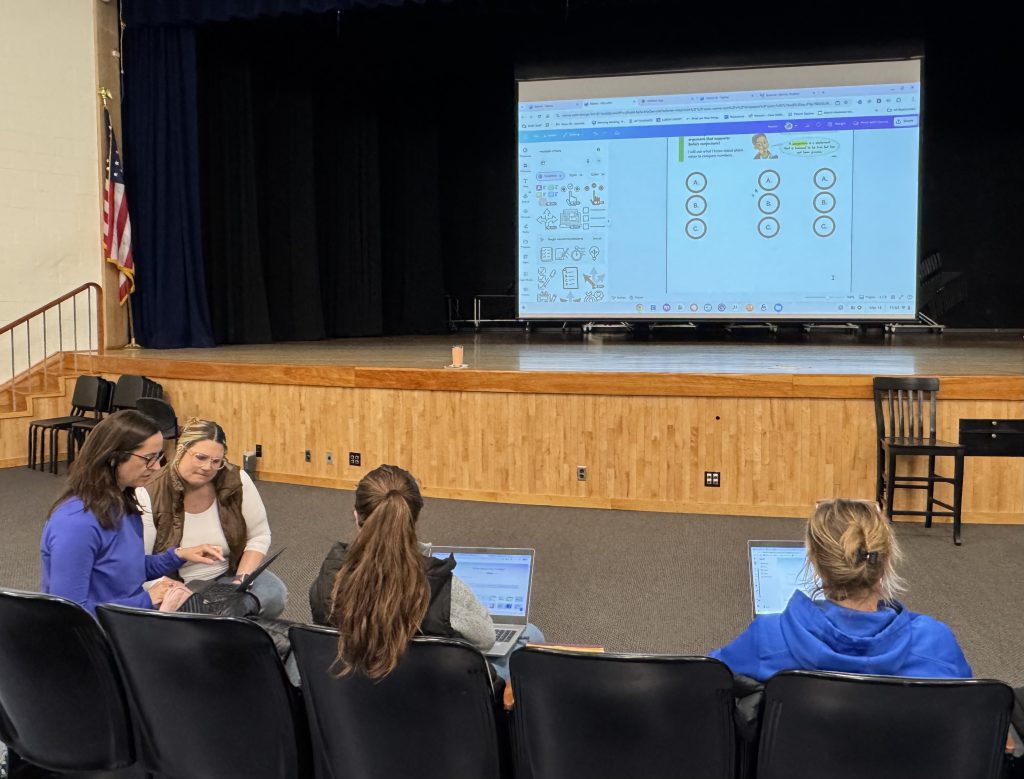
Schuylerville Elementary School teachers Bry Ludwin and Jill Martin led “Canva Creations: From Lesson to Launch,” helping educators explore how the design platform Canva can be used to create engaging classroom materials, including customized worksheets and announcing classroom events.
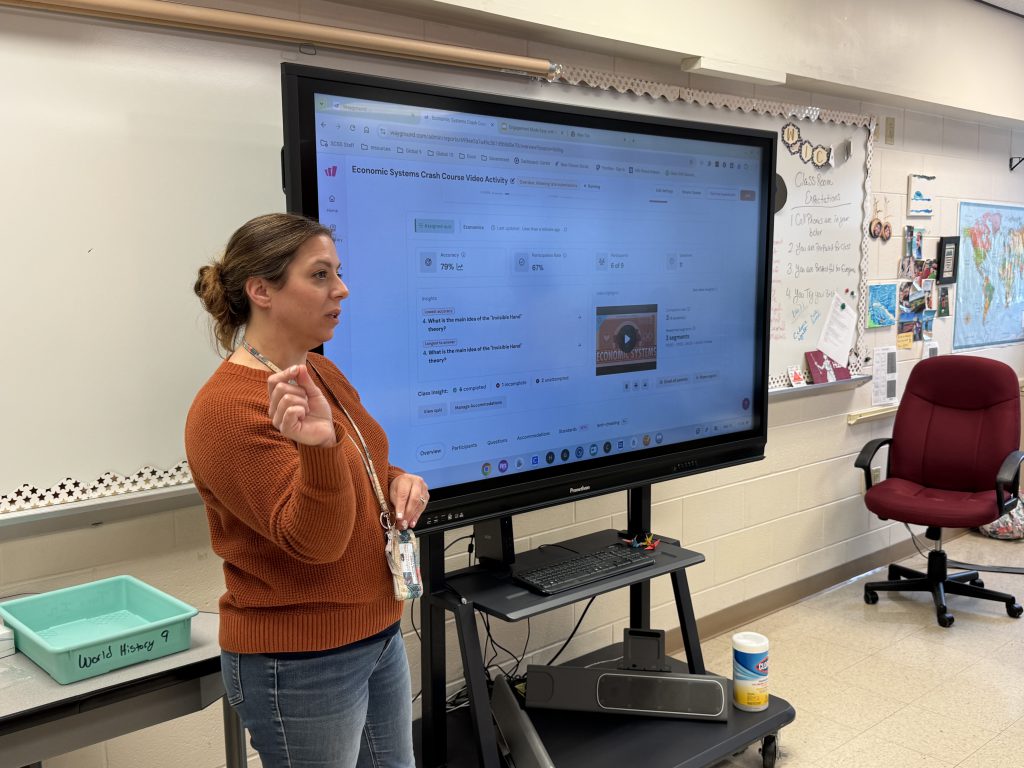
High School teachers Lauren Huber and Laura Lewis presented “Engagement Made Easy with Wayground,” a session that introduced educators to tools for sharing video content and creating interactive live learning sessions that increase student participation.
“Our teachers are very willing to explore new tools to support student success,” said Amy Steele-Whitney. “Evolving with AI is a commitment to growth, curiosity, and learning alongside our students, and Schuylerville teachers are embracing that opportunity.”